North Texas Suburbs Buyers Regret: Frisco, Prosper, Melissa, McKinney, Celina & Van Alstyne Compared
You've got a list of North Texas suburbs saved on your phone. Frisco, Prosper, McKinney, maybe Celina. You've scrolled through the photos, read the builder websites, and started picturing your life in one of these towns. But here's the question nobody asks until it's too late: do you know what your actual monthly payment is in each one?
Two houses at the same price, ten minutes apart, can be over $300 a month apart in taxes alone. That's not a typo. That's the difference between a comfortable payment and one that stretches you thin every single month for thirty years. The sticker price on the builder sign tells you almost nothing about what you'll actually pay.
I'm Connor Hornsby, and my family made this exact move from Northern California in 2024. I sell new construction in all six of these towns every week, and I run the real monthly payment math with relocating buyers before they fall in love with a floor plan. In this article, I'm walking you through the trade-offs in Frisco, Prosper, Melissa, McKinney, Celina, and Van Alstyne, what buyers get surprised by after they close, and who each town genuinely works for.
Table of Contents
- Frisco: The Corporate Premium Suburb
- Prosper: Master-Planned Living with a Tax Stack
- Melissa: Where the Math Finally Works
- McKinney: New Construction Value with a Real Downtown
- Celina: Fastest Growth in the Country (and the Friction That Comes with It)
- Van Alstyne: The One Nobody Sees Coming
- Which North Texas Suburb Fits Your Budget and Lifestyle?
- Conclusion
Frisco: The Corporate Premium Suburb
Frisco is the name that travels. If you live in California or Illinois, you've heard exactly one Dallas suburb. It's probably this one. The sports teams, the corporate campuses, the shopping, it's the version of North Texas that shows up in the news. Zillow has the typical Frisco home at $673,000 as of the end of last June. Not the big custom homes. The typical average suburb home.
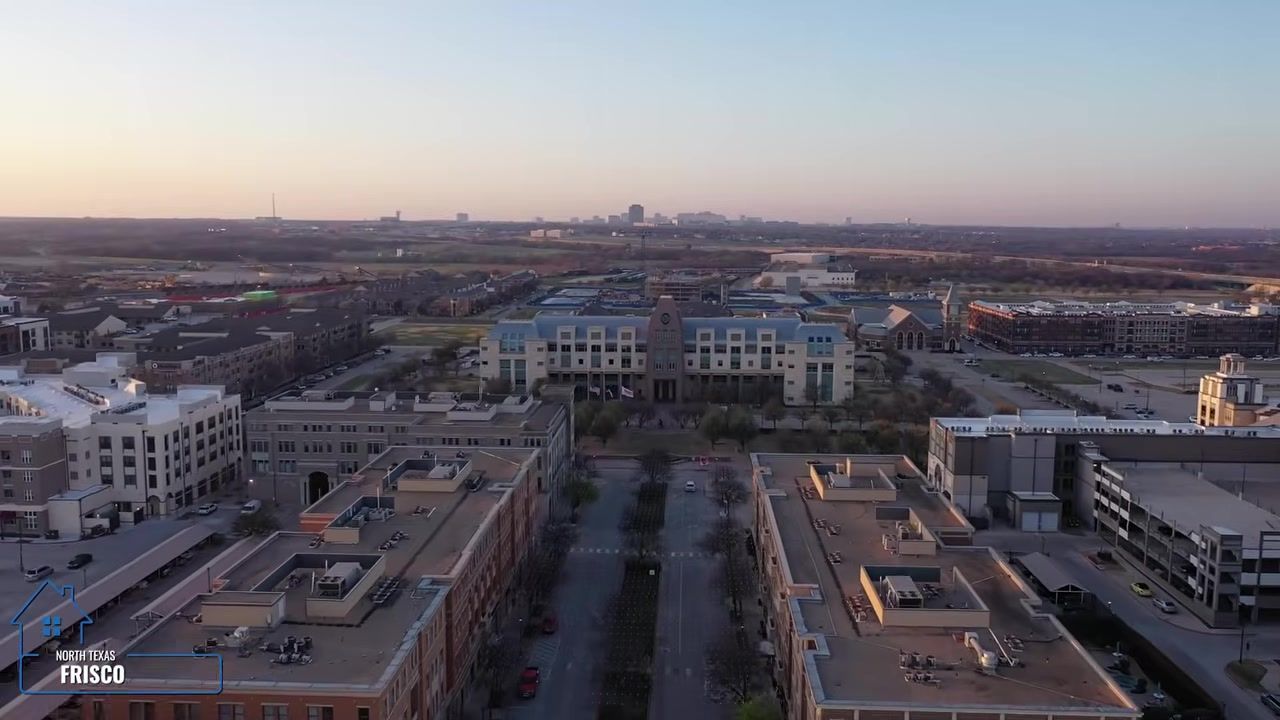
Frisco isn't the budget suburb anymore. It's the corporate premium suburb, and the price reflects that. Bale Real Estate Group put out a cost of living breakdown in May. They figure a family of four needs $130,000 to $150,000 or more in household income to live here comfortably. I know that doesn't sound like much if you're coming from New York, California, Washington, or Illinois. But here, that's been a massive jump year by year.
Property Taxes and MUD/PID Assessments
On the Collin County side, the combined property tax rate in Frisco ISD runs around 1.96%. On a $600,000 house, that's somewhere in the $9,000 to $12,000 range a year. A lot of the newer neighborhoods carry a MUD or PID tax on top of that. That can add an additional $2,000 to over $8,000 a year.
MUD and PID just means the neighborhood is paying off its own roads, water, and sewer through your tax bill. It's not a scam. It's just money you did not budget for when you planned on moving here. I had a family last year who found this out the hard way. They'd already picked out the furniture for a house in one of the newer Frisco sections. Then we ran the actual numbers. Once the PID assessment was added in, their estimated monthly payment was almost $350 a month higher than the builder sales rep had quoted them.
They bought a different floor plan one lot over in a section that didn't have a PID tax.
Who Frisco Works For
Frisco works great for people commuting to one of the corporate campuses. People who want everything built out and open today. People whose budget starts around $700,000. For them, Frisco delivers exactly what it promises. The regret shows up when someone arrives with a $500,000 or below budget expecting Frisco and finds out what $500,000 actually buys here. That leads straight into where those buyers usually go next.
Prosper: Master-Planned Living with a Tax Stack
Prosper is the one people fall in love with on a Saturday drive. Wide roads, big master-planned communities, horse property still sitting next to brand new construction. It feels calmer than Frisco, less corporate, more like the suburb people picture when they imagine leaving a big city.
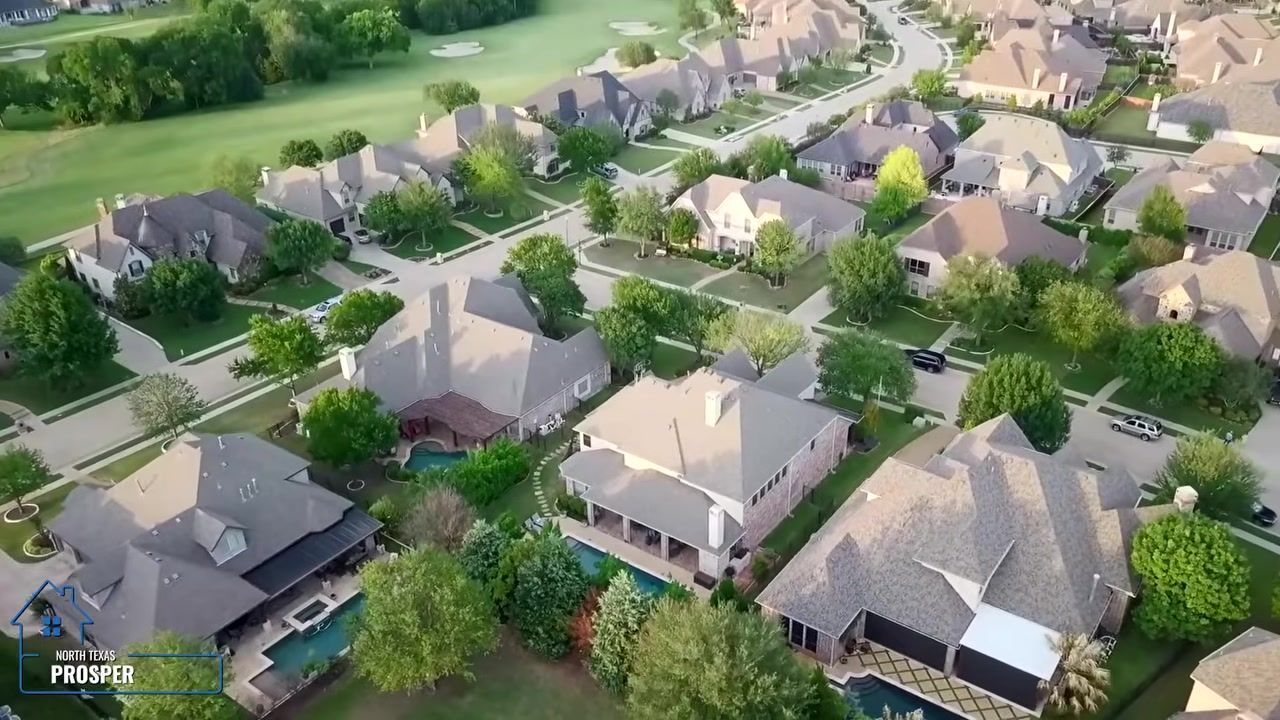
The numbers back that feeling up. Zillow has the typical Prosper home at $789,000. Orchard put the median sales price at $850,000 over its recent thirty-day window. Buyers expect the higher price. What they don't expect is the tax stack.
The Tax Rate Nobody Budgets For
Inside Prosper broke it down in April. School district, town, and county combined, you're at about $1.87 per $100 of value. That's roughly 1.44% of your assessed value every single year. The town of Prosper's own FY 2026-27 tax document confirms the town portion. On an $850,000 house, that's real money every single month. When I run that math with people on a call, the number is usually a few hundred dollars a month higher than what they penciled in.
The second thing that catches people is how the resale side moves. Orchard had the median days on market at 40 days, up from 37 a year earlier. It matters a lot if you're the kind of buyer who moves every three years for work.
The Master-Planned Community Misconception
There's a misconception I hear constantly. People think a master-planned community automatically means lower maintenance costs. In Prosper, a lot of these communities charge HOA dues on top of that tax rate. That money pays for the amenity centers, the trails, all the landscaping. It's a separate bill from your mortgage and your taxes. Ask about it before you fall in love with the amenity center.
Prosper works beautifully for a specific person. Someone with a budget genuinely in the high $600s and up. Someone who wants space and a master-planned setup. Someone who plans to stay put for more than ten years. Where it goes wrong is when someone stretches to their absolute maximum on their purchase price, then forgets the tax rate and needs to sell in a year or two.
Melissa: Where the Math Finally Works
Melissa sits just north of McKinney off Highway 75. For a lot of relocating buyers, it's the moment the math finally works. Zillow has the average Melissa home valued at $435,000. Brand new construction, decent sized lots, roughly half the price of a Prosper house. I sell a lot out there and I used to live there. I genuinely like it.
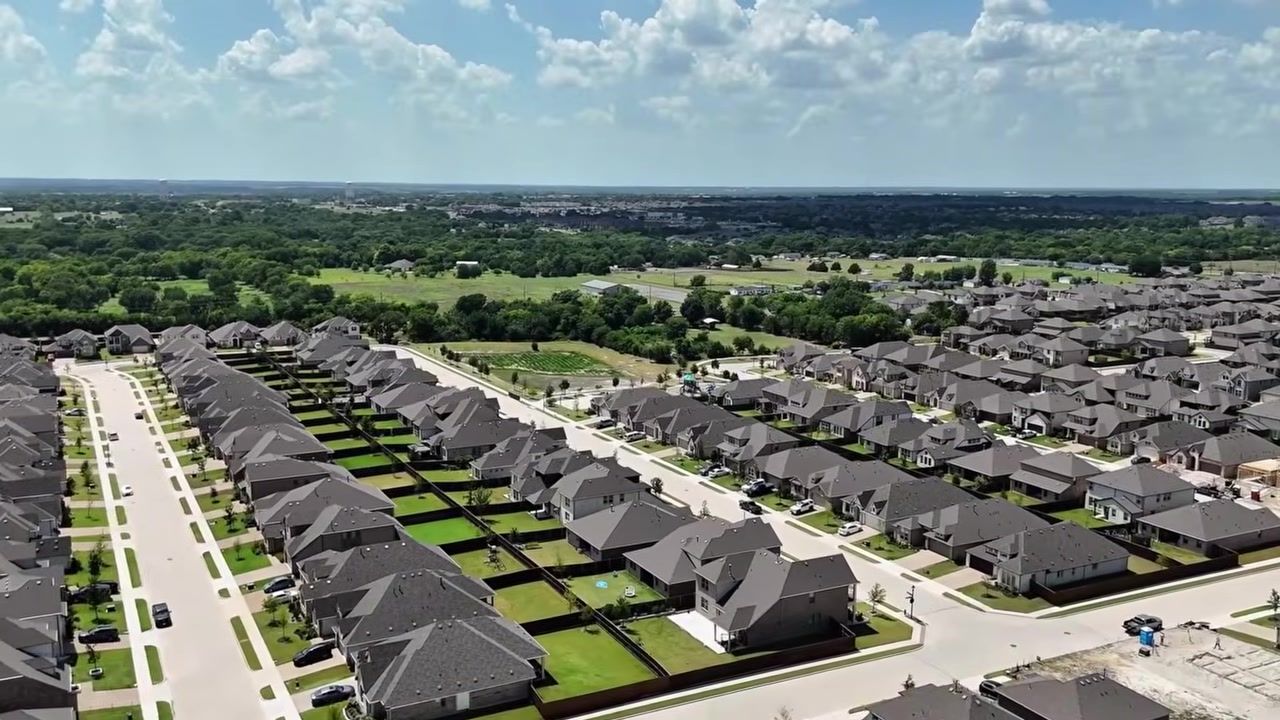
But there are two things I always say out loud before someone writes an offer.
The Pace of Change
World Population Review has Melissa at 32,000 people in 2026, up 129% since the 2020 census recorded 14,000 people. The city has more than doubled in six years. CBS Texas reported in May that Melissa was the fourth fastest growing city in the entire country from mid-2024 to mid-2025.
That kind of growth means the houses have arrived before all the amenities have. The restaurants, the grocery options, the retail, all of that is still catching up. If your idea of a Friday night is a fifteen-minute drive to something, I tell people to actually make that drive before you sign anything. Sit in your car at 5:30 on a weekday. Go from the subdivision you're considering to the nearest grocery store. See what that feels like with school traffic on the road. It reads very differently on a map than it does in the driver's seat.
Resale and School Growth
The second thing is the resale side. Zillow shows Melissa homes going pending in around 88 days. Compare that to Celina at 44 days. You're competing against the builders who are still putting up brand new inventory just a mile away. Your five-year-old resale takes longer to move.
Melissa ISD is growing as fast as the city is. That means new campuses, portable classrooms in some years, and boundary lines that can shift. That's not automatically bad. It's just a different experience than moving into a district that's already completely settled in.
Melissa works great if you want a new build in the $300s to $400s range. You have to be comfortable with driving to retail. You have to stay long enough for the town to finish growing up around you.
McKinney: New Construction Value with a Real Downtown
Here's a mistake I see almost every week when I'm touring with buyers. They fall in love with downtown McKinney. I get it. The historic square is one of the best things in North Texas. Old brick buildings, local shops, restaurants, actual character in a metro area that's mostly brand new.
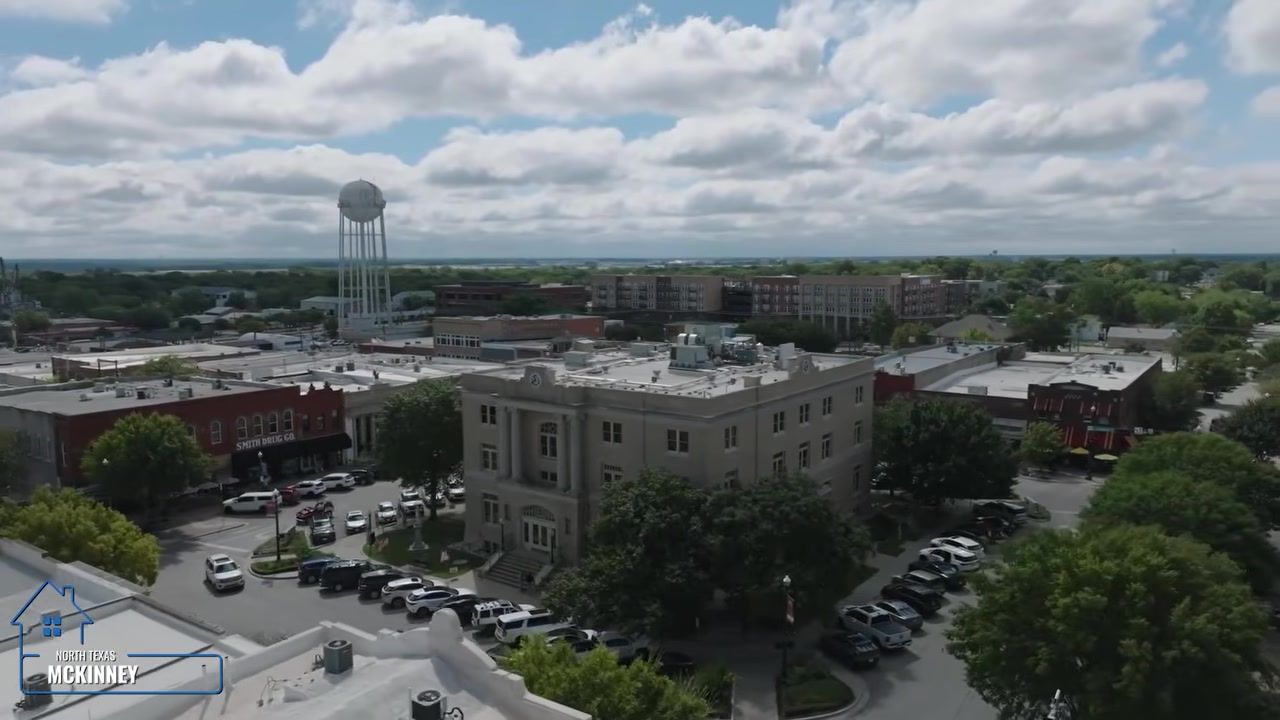
People fly in, spend a Saturday morning on the square, and decide McKinney is the one. Then they buy a house twenty minutes from it because most of the McKinney inventory right now isn't near the square.
Where the Growth Is Happening
The city grew 5.8% a year from 2020 to 2025. It added roughly 14,200 people in 2025 alone, according to census data by U.S. Tech Automations. All that growth is happening on the edges. Newer subdivisions that look a lot like every other new subdivision in Collin County. Which is fine. Just know that's what you're buying when you're looking for new construction here.
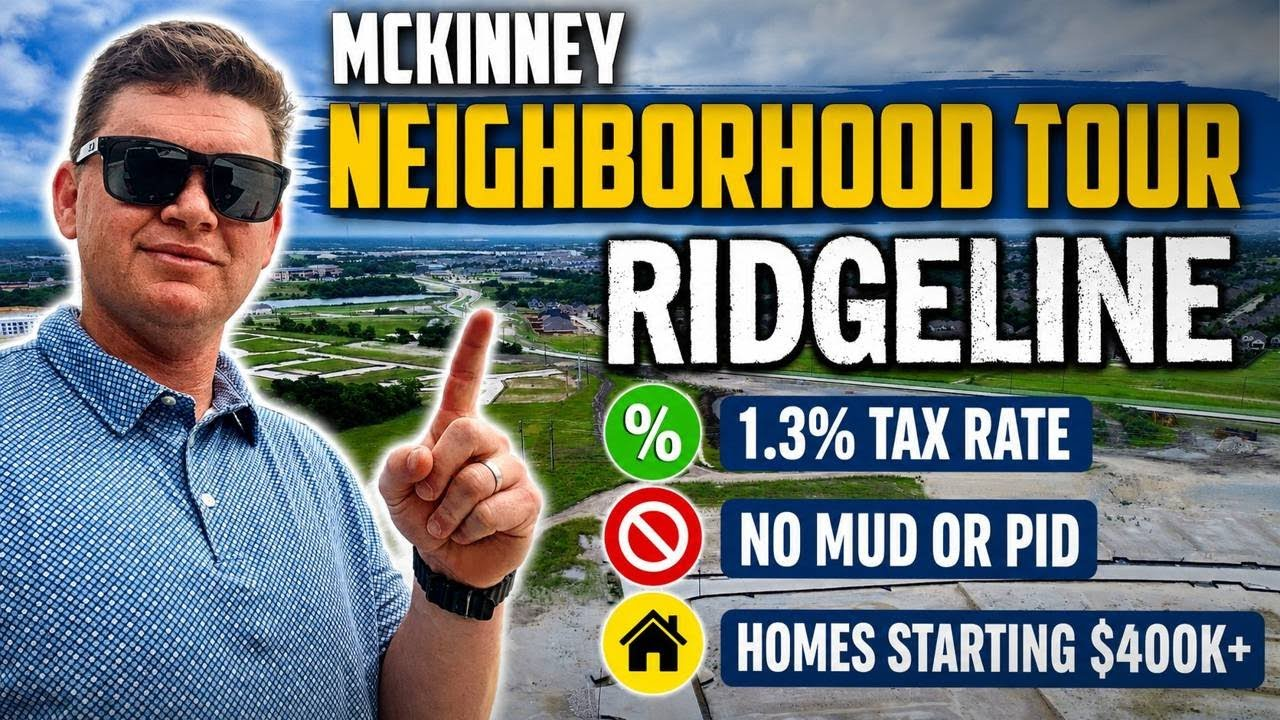
Those newer sections come with a tax piece. McKinney MUD 2 adopted a 2025 rate of $1.05 per $100 of value. McKinney MUD 1 lists at $0.98. Same city, different districts, completely different bills. Ownwell puts McKinney's median effective property tax rate at 1.66%, above the Texas median of 1.48%. This is exactly why I run the payment math out loud on camera in almost every video I make. The address changes the number.
The Price Range and the Square
Zillow has the typical McKinney home value at $515,000. The MLS data shows 3,420 closings in 2025 at a median of $440,000. The range here is wide. There's something at almost every price point, from starter townhomes near $75,000 to acreage properties out towards the country line.
I've had clients ask me to only show them homes within a certain drive time of the Square. That one request alone can cut the available inventory by more than half in some price ranges. If the Square is a big part of why you're moving to McKinney, say it out loud early. It changes which neighborhoods actually make sense for you.
McKinney works great for people who want new construction value but still want a real downtown they actually use. Just be honest with yourself about how often you'll make that drive.
Celina: Fastest Growth in the Country (and the Friction That Comes with It)
Celina grew 24% between July 2024 and July 2025. That's the fastest growth rate of any city in the United States per census data reported by Community Impact and CBS Texas in May. You can feel it the second you drive in. Rooftops going up in every direction. Cranes. Dirt. Brand new elementary schools that were pastures just two years ago.
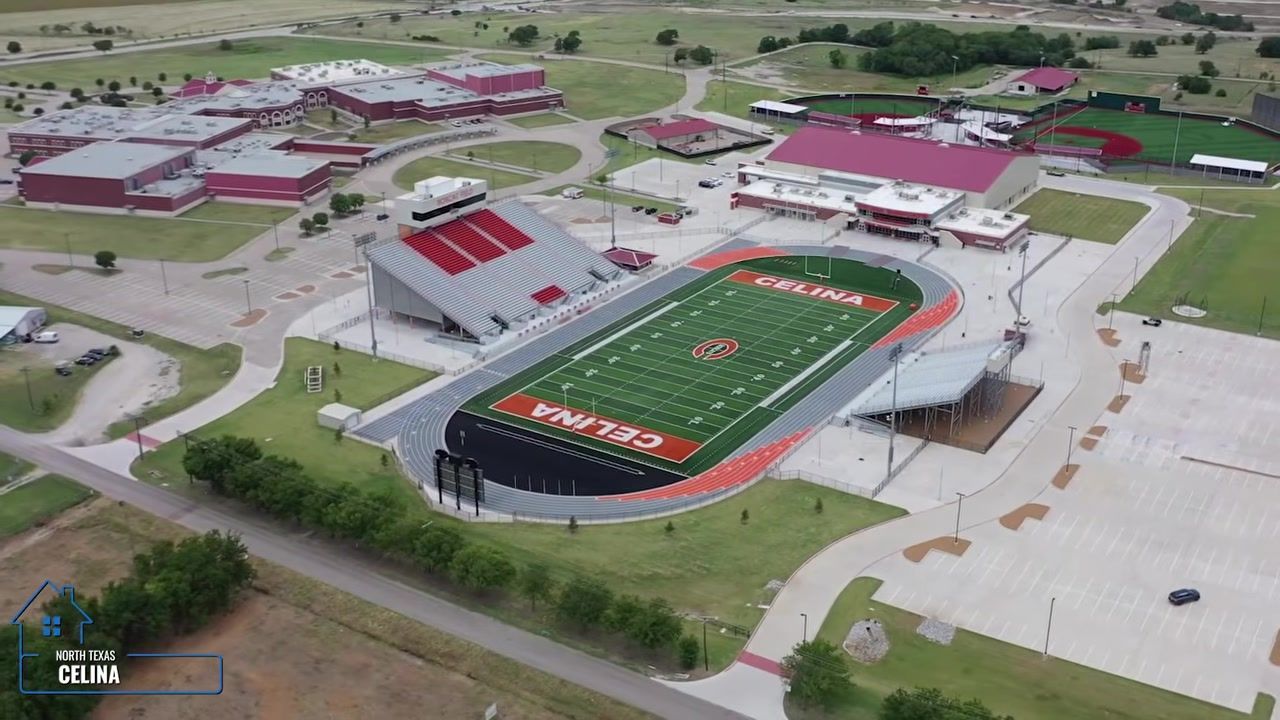
For a lot of buyers, that energy is the appeal. You're getting in early on a town everyone's talking about. Growth like that comes with real friction, and the city says so themselves.
Infrastructure Strain and Daily Life
Fox News interviewed Celina Mayor Ryan Tubbs in June. He described a city racing to expand roads, water systems, and schools just to keep up. That article also noted the strain on Celina's water supply and on the small-town identity that drew people here in the first place.
On a practical level, that means retail and dining are still thin. A Celina relocation guide published in March pointed out that most Celina residents still drive to Prosper or Frisco for shopping and restaurants. It also noted that Celina ISD currently ranks below Frisco ISD, Prosper ISD, and Allen ISD. That district is growing and improving fast, but that's where it sits today.
The Pricing Piece That Stings
Then there's the pricing piece, and this one stings. Zillow has the average Celina home value at $529,000, down 9.9% over the past year. The Real Deal reported in June that the median price of closed new home sales in Celina fell 22% to $520,000. New home sales volume jumped 61% comparing April 2025 to April 2026.
Think about that for a second. Sales are booming and prices are coming down. That's builders competing hard against each other with incentives and price cuts. Great if you're buying today. Frustrating if you bought eighteen months ago and now there's a cheaper, newer version of your house just three streets over.
I've had buyers call me exactly about this. They compared what they paid a year and a half ago to what the same builder now offers on the same floor plan with incentives included. It's a hard conversation. It's the one reason I push people to negotiate incentives just as hard as price when they buy new construction in a fast-growing town like Celina.
Celina works for a buyer with a seven to ten year horizon who's excited to watch the town grow around them. It's tough on anyone who needs to sell in one to three years.
Van Alstyne: The One Nobody Sees Coming
Almost nobody relocating from out of state has Van Alstyne on their list. There's a town just twenty minutes north of Melissa that had only 4,000 people in 2020. Today it has over 8,000. That's 95% growth in just six years. The city issued 377 single-family permits in one year, up from just 97 the year before, according to North Texas Market Insider.
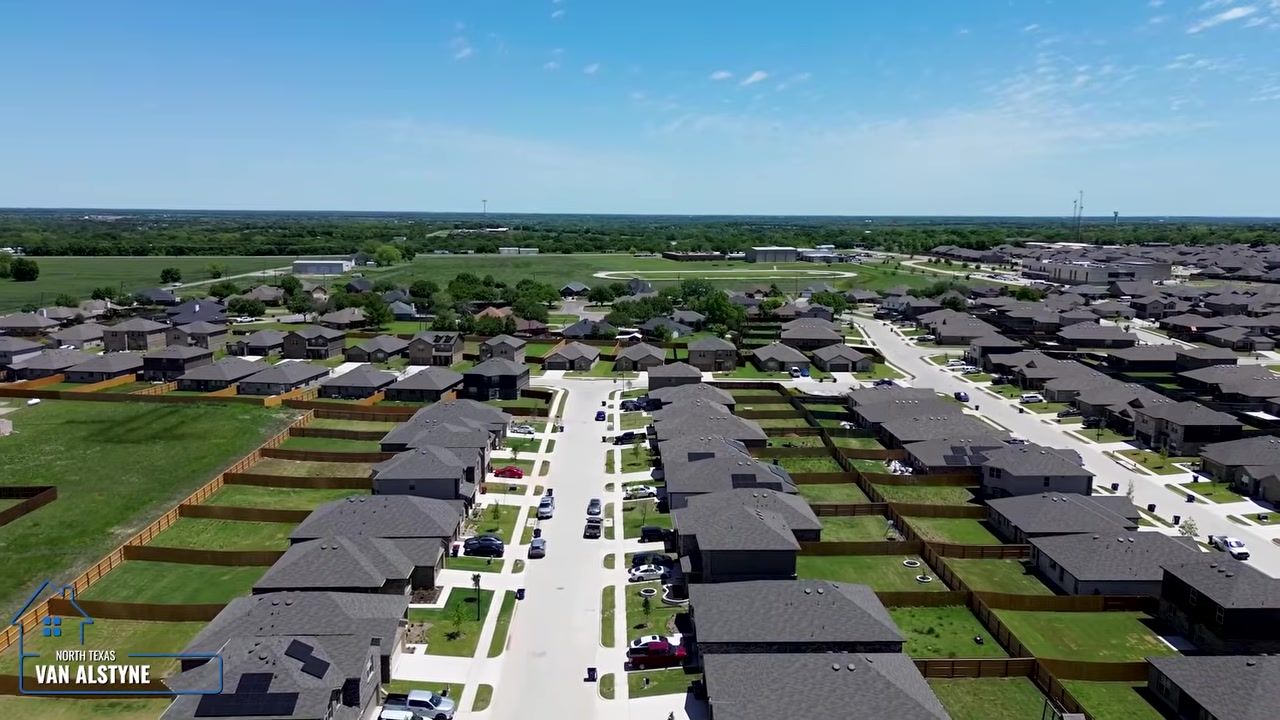
When buyers find it, they usually find it the same way. They're driving up 75, looking at Melissa, they keep going for just about ten minutes more, and suddenly the lots are an acre and the price per square foot drops to somewhere between $200 to $220 a square foot.
What You Get and What You Give Up
The median price here runs roughly $450,000 to $480,000, with the averages climbing towards $556,000 once acreage properties pull the top up. The surprise here cuts both ways. Van Alstyne is a small town, not a suburb. There's no Target run. Your commute to Plano or North Dallas is a haul in traffic. If you're expecting the amenity level of Frisco, you will be disappointed within a month of moving here.
But it's not staying a sleepy town either. Mantua just opened up, 274 acres with lakes, creeks, 25 miles of trails, and a resort-style amenity center. It has its own elementary school and high school zoned for Van Alstyne ISD. Highland Homes, Perry, and David Weekley are all building there. Behind it is High Point Village , a 667-acre Centurion American community planned for 2,200 homes.
Why All This Is Happening
The reason all of this is happening is that Van Alstyne is getting pushed from two directions at once. The Metroplex pressing north and the semiconductor plants going up in Sherman pulling from the south.
The buyers who end up happiest here are usually the ones who never wanted a typical suburb in the first place. I worked with a family last year relocating for a job tied to Sherman expansion. Van Alstyne wasn't on their list until we drove it together. They got an acre with a shop building for half of what a quarter acre cost them back home. That mattered more to them than having a Target twenty minutes away.
Van Alstyne works for acreage buyers, remote workers, and anyone whose job is heading towards Sherman rather than Dallas. It's a terrible fit for someone who has to commute to downtown Dallas five days a week. The reason I bring it up last is simple. This is the kind of town you only find if someone's actually driving this corridor with you.
Which North Texas Suburb Fits Your Budget and Lifestyle?
I just went over six towns thirty to forty minutes of each other, and every one of them fits a completely different person. Here's how to think through which one actually works for you.
Choose Frisco if your budget starts around $700,000, you're commuting to a corporate campus, and you want everything built out and open today. Skip it if you're stretching to $500,000 and expecting the same experience.
Choose Prosper if your budget is genuinely in the high $600s and up, you want a master-planned setup with space, and you're planning to stay put for more than ten years. Skip it if you move every three years for work or if you're maxing out your purchase price.
Choose Melissa if you want new construction in the $300s to $400s range, you're comfortable driving to retail, and you're willing to stay long enough for the town to finish growing around you. Skip it if you need walkable amenities today or if you're planning to sell in three years.
Choose McKinney if you want new construction value but you also want a real downtown you'll actually use. Say it out loud early if the Square matters to you, it changes which neighborhoods make sense. Skip it if you think buying in McKinney automatically means living near the Square.
Choose Celina if you have a seven to ten year horizon, you're excited to watch the town grow, and you're willing to negotiate incentives as hard as price. Skip it if you need to sell in one to three years or if you expect fully built-out retail and dining today.
Choose Van Alstyne if you want acreage, you work remotely or your job is towards Sherman, and you never wanted a typical suburb in the first place. Skip it if you're commuting to downtown Dallas five days a week or if you need a Target run to feel at home.
Texas has no income tax. It makes up the money on your property tax bill. That first bill is usually a bigger number than you've seen on a house payment. Download the North Texas Relocation Guide, the link's in the description. It breaks down the tax rate and an estimated monthly payment for each of these communities. MUD and PID is included, so there's no surprises waiting when we're at the closing table together.
Conclusion
The sticker price on the builder sign is not the number that matters. Two houses at the same price ten minutes apart can be $300 a month or more apart. Monthly. Over a thirty-year loan, that's the difference between comfortable and stretched.
I made this exact move myself. I sell new construction in all six of these towns every week, and I run the real monthly payment for relocating buyers before they fall in love with a floor plan. If you're relocating here, call or text me at 214-326-2323 and we'll figure out which one of these towns fits your needs. I look forward to seeing you in North Texas.
FAQ: North Texas Suburbs for Relocating Buyers
What is a MUD or PID tax in North Texas?
MUD and PID just means the neighborhood is paying off its own roads, water, and sewer through your tax bill. It's not a scam. It's infrastructure financing that can add $2,000 to over $8,000 a year on top of your base property tax. I've seen it add $350 a month to a payment. Ask about it before you write an offer.
Why do two North Texas homes at the same price have different monthly payments?
The address changes the number. Two houses at the same price ten minutes apart can be over $300 a month apart in taxes alone. The tax rate varies by school district, city, county, and whether the neighborhood carries a MUD or PID assessment. Run the actual payment math before you fall in love with a floor plan.
How long does it take to sell a home in Melissa compared to Celina?
Zillow shows Melissa homes going pending in around 88 days. Celina is around 44 days. You're competing against builders still putting up brand new inventory nearby in Melissa. Your five-year-old resale takes longer to move. It's not a knock on the town. It's just the reality of buying in a market that's still being built.
Is Van Alstyne a good fit for someone commuting to downtown Dallas?
No. Van Alstyne is a terrible fit for someone who has to commute to downtown Dallas five days a week. It works for acreage buyers, remote workers, and anyone whose job is heading towards Sherman rather than Dallas. The buyers who end up happiest here are the ones who never wanted a typical suburb in the first place.
What should I know about buying in Celina right now?
Celina grew 24% between July 2024 and July 2025, the fastest growth rate of any city in the United States. Sales are booming and prices are coming down. Zillow has the average home value down 9.9% over the past year. Great if you're buying today. Frustrating if you bought eighteen months ago. Negotiate incentives as hard as price when buying new construction here.
Does buying in McKinney mean I'll live near the historic square?
No. Most of the McKinney inventory right now isn't near the square. The city added roughly 14,200 people in 2025, and all that growth is happening on the edges in newer subdivisions. If the Square is a big part of why you're moving to McKinney, say it out loud early. That one request can cut the available inventory by more than half in some price ranges.
Connor Hornsby - North Texas Living
Connor Hornsby, CEO of North Texas Living. With nearly a decade in real estate, I guide buyers, sellers, and investors across North Texas with a client-first focus. Let’s achieve your property goals.

Recent Posts